
SPOILERS FOR V7, V8, V9, V10, V11, V12, SS, SS2, 99.9 AHEAD
In this article, we are going to look at Adachi and Shimamura’s relationship from the fireworks confession onward, when they officially become a couple. Earlier and alternate scenes will still appear, but only when they show which traits already existed before the romance. I'll be explaining why from the confession onward, their relationship is a very healthy form of interdependence between two separate people who freely rely on each other with unusual depth.
Now, this is going to be a long one, so if you REALLY, REALLY don't feel like reading the whole thing, here is basically a summary of everything I mention (though I really do recommend reading the article, since it might help you better understand and appreciate their relationship too):
First of all, codependency is a continuing and inherently unhealthy way of relying on another person, where the relationship repeatedly causes harm or takes away someone’s freedom. It can involve control, isolation, self-neglect, protecting harmful behaviour, or taking over another person’s life. Interdependence is different. It is healthy reliance between people who remain able to choose, disagree, say no, spend time apart, handle their responsibilities, and support each other freely. Love or dependence does not become codependent simply because it is unusually deep. What matters is whether the relationship repeatedly causes harm or takes away either person’s ability to live and choose for herself.
Adachi and Shimamura depend enormously on each other, but this adds joy, meaning, safety, motivation, and belonging without causing harm or lost freedom. Their limited interests and goals existed before they met; the relationship did not make them give those things up. Knowing each other helps them care more about life. Adachi places almost everything she values in Shimamura, while Shimamura cares about more people and things, but Adachi remains the light and centre of her world. Their love is equally deep though expressed differently. Adachi works, cares for herself, handles time apart, and meets her responsibilities. Losing Shimamura would probably devastate her, but profound grief can wound anyone in a loving relationship. Her mental strength, persistence, and decision to develop interests beyond Shimamura (in SS2 Overture) give good reason to believe she would eventually recover, even if it took a long time.
Adachi’s jealousy is another trait that can be misunderstood. Early in dating, she crosses a line, recognises Shimamura’s discomfort, and changes her behaviour. She still feels jealous easily, but she keeps that feeling on a leash well. She may pout, complain, or make a small request, but she never controls Shimamura, isolate her, punish her, or make her obey. Shimamura also makes more everyday decisions because Adachi genuinely has fewer preferences, not because Adachi is afraid to speak. When something matters, Adachi can state what she wants, refuse, make plans, and act for herself. Shimamura includes her in important choices instead of using her devotion against her.
Shimamura may give Adachi more reassurance, but she is her willing partner rather than her caretaker. Adachi works, contributes to their home, comforts Shimamura, and cares for her in return. Although Adachi sometimes wishes privately for a world containing only Shimamura, she understands it would be bad and does not cut either of them off from work, family, other people, or necessary time apart. Instead, their closeness helps both of them become more motivated, capable, and interested in life. Their roles and personalities are different, but neither person loses her freedom, and neither has to carry the other through life. Their relationship therefore does not show the continuing harmful pattern that codependency requires. It is a very healthy interdependent relationship between two separate people who rely on each other freely, love each other with unusual depth, and keep choosing and building their life together.
So, if you decided to stick further with me after reading that summary, then I'm very happy about that. I hope you'll enjoy reading it.
Before going further into Adachi and Shimamura’s relationship, it is important to clarify what codependency and interdependence actually mean, as well as how they differ. These terms can easily be misunderstood, especially when discussing a relationship with as much mutual dependence as theirs. The exact definition of codependency is argued, but it generally means a continuing, unhealthy relationship in which one or both people repeatedly lose freedom or suffer harm because of how they rely on each other. One person may control the other, repeatedly ignore her own needs, cut herself off from family and friends, protect harmful behaviour, or take over so much of the other person’s life that the other person stops acting for herself. Codependency is therefore inherently unhealthy. Healthy interdependence is different. It is the normal reliance between people who retain their own will: they can choose, disagree, say no, spend time apart, meet their responsibilities, and support each other freely. They do not need to make the same number of decisions, care about all the same things, or help each other in exactly the same ways. Dependence itself is neutral and exists in every close relationship. A partner can be someone’s greatest source of comfort, safety, joy, belonging, or meaning without the relationship becoming codependent. Relationships can contain mistakes of different severity, but codependency is not simply an extreme amount of love or dependence. It requires harm or lost freedom to keep happening because of the way the relationship works.
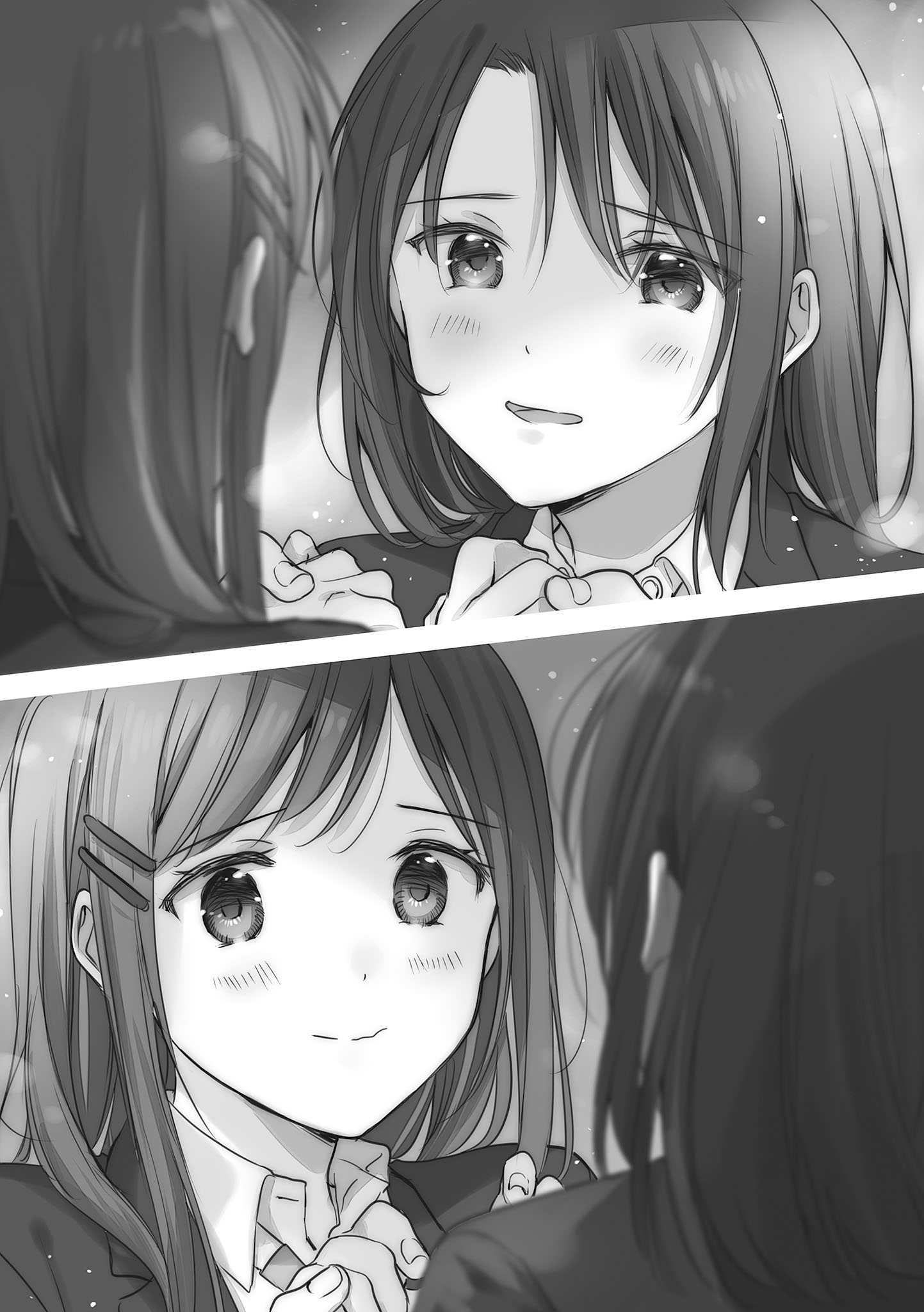
First of all, we need to look at what their dependence actually does to them. Adachi and Shimamura depend on each other very deeply, but that dependence gives them purpose and energy instead of making either of them less capable. Adachi places nearly all of her strongest feelings in Shimamura. Meanwhile, Shimamura has a broader range of interests and family ties, but Adachi is still what gives her life light, direction, and motivation. Before meeting Shimamura, Adachi cared about very little and had almost no close relationships, hobbies, or goals. Shimamura was drifting through life with growing indifference and ambivalence. Their relationship did not cause either of them to give up people, hobbies, or goals they once cared about, because those things were already missing. Instead, it added joy and direction to both of their lives.
This can first be seen in the chapter What If…They Didn’t Meet in the Gym Loft? (もし体育館二階で出会わなかったら) from the unnumbered opening section of V7, which delays their meeting until adulthood. Both still work and meet their responsibilities, but Shimamura experiences life as exhausting and empty, while Adachi has almost no interests or close relationships. This is a big contrast to how they are in the main timeline, and clearly shows that their relationship added colour to their lives, without taking anything away.
More importantly, the same point appears within their actual relationship in Our First Trip Part 2 (最初の旅の端②) from V8C5. When they lose each other in thick fog, Shimamura compares the blank surroundings to the life she had been drifting towards before Adachi. Wanting to find Adachi makes her move. Adachi later says that every day without Shimamura would feel like that fog, and Shimamura agrees. Their dependence gives both of them a reason to move forward without taking away anything they once had. It does not make them give up parts of themselves or stop handling their own lives. Their reliance strengthens one another, which is why it is healthy interdependence rather than codependency.
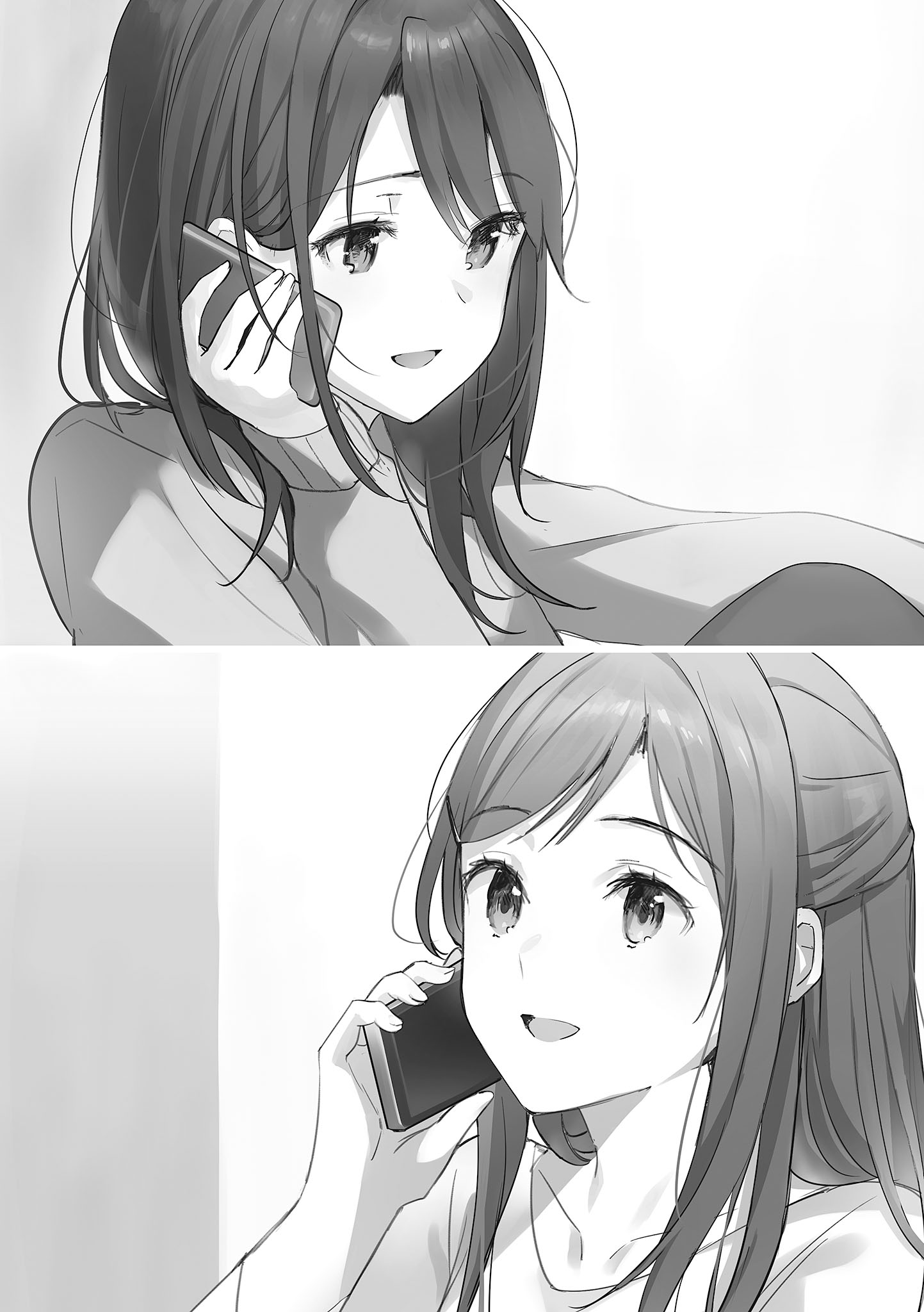
At this point, Adachi’s way of talking about Shimamura may still be easy to misunderstand. She says that she feels unable to live without Shimamura in Tempest (Yuletide Sakura) (テンペスト ~桜花聖誕帖~) from V9C4, that Shimamura makes up her world and is her yesterday, today, and tomorrow in She Who Ventures but Never Quite Gains (虎子の間で一生を終える系女子) from SS2, and that even three days apart feel immeasurably long in Summer 18 (Summer18) from V11C6. These statements are sincere, but taking them as proof that Adachi cannot work or manage daily life whenever Shimamura is absent is wrong. The novel shows that ordinary time apart does not stop her from working, caring for herself, or meeting her responsibilities.
If we look at Adachi’s adult life, the answer becomes clear. In the short story An Area of Expertise (きみにできないこと) from the chapter First Was the Age of Gold in SS, the two of them work for separate companies and deliberately keep workday contact brief because talking to each other would distract them from their jobs. Adachi prepares Shimamura’s lunch before work, completes her own workday, and returns to their shared home afterwards. When she gets home first, she welcomes Shimamura back and comforts her after an exhausting day. Adachi misses Shimamura intensely, but she still handles time apart, fulfils her responsibilities, and does things to make Shimamura’s day easier. Her love does not leave her unable to function or make Shimamura carry her through daily life. That is healthy interdependence, not codependency.
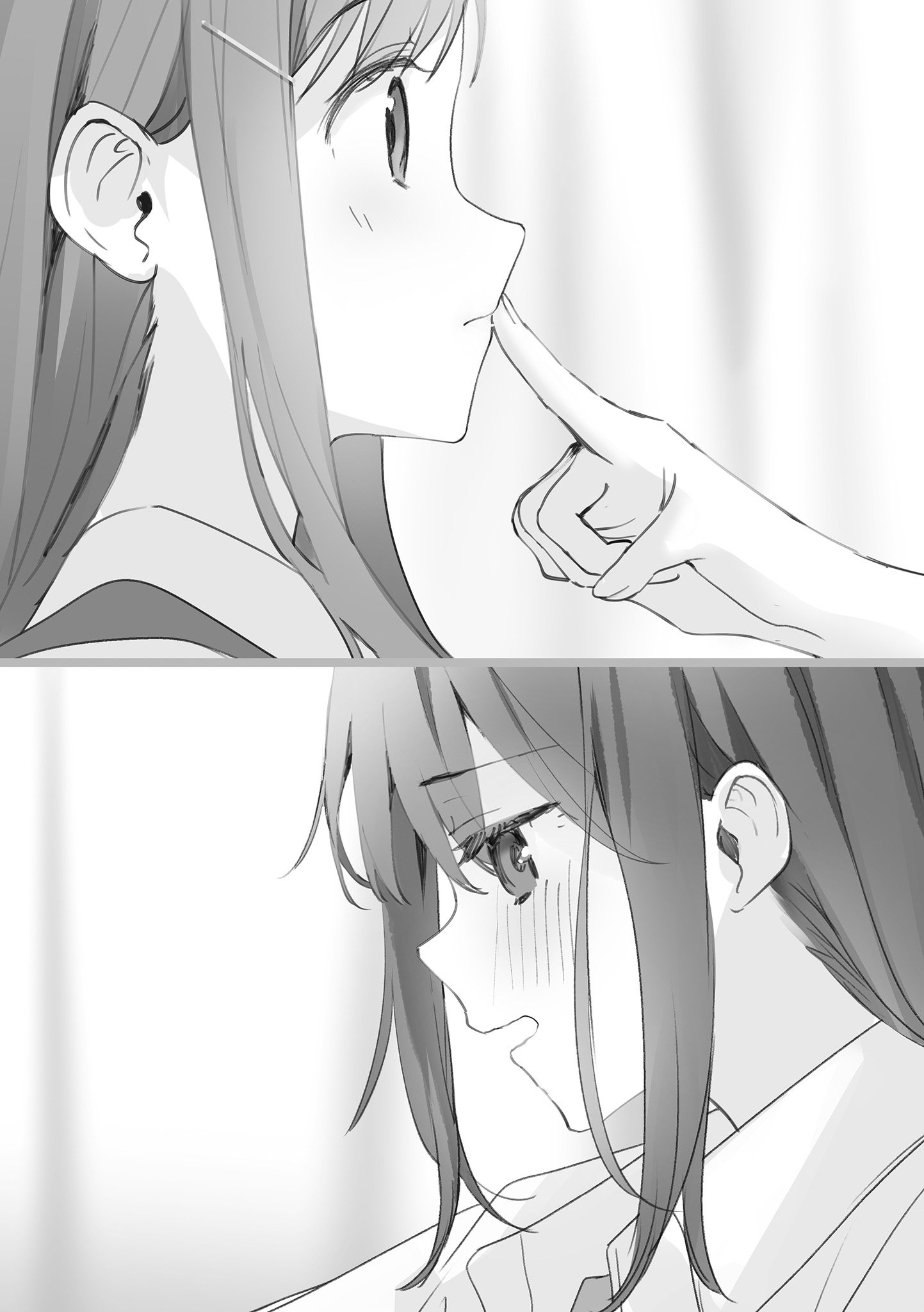
This leads into another possible misunderstanding. Adachi’s love fills almost everything she says and does, while Shimamura is less direct and cares about more people and things outside Adachi. At first glance, that difference can make their love seem unequal. However, Adachi still stands at the centre of Shimamura’s world. They focus their lives differently and show love differently, but nothing suggests that one loves the other less deeply or sincerely.
Shimamura’s side can be seen in the chapter Remember 22 (Remember22) from V11C8, where she describes Adachi as the white star at the centre of her world. Everything is illuminated through her, and Shimamura then goes further by saying that Adachi has become her world. She also admits that she may love Adachi more deeply than she usually realises. She is not merely allowing Adachi to love her while giving little back. Her own love shapes how she understands her life.
Adachi describes her love in similarly absolute terms in the short story She Who Ventures but Never Quite Gains (虎子の間で一生を終える系女子) from SS2. When Shimamura asks how much she loves her, Adachi realises that love cannot be expressed as a quantity. She says that Shimamura makes up her world and is her yesterday, today, and tomorrow. Shimamura then suggests that she may use the same answer herself one day. Adachi cares about fewer things outside Shimamura, but once we place these scenes beside each other, it is clear that the two of them place each other at the centre of their lives.
What would make this difference unhealthy is Adachi demanding that Shimamura give up other people or things she enjoys as proof of love, or Shimamura using Adachi's devotion to decide her life for her. Neither of them does that. They do not need to love in exactly the same way for their love to be equally deep, and neither has to become more like the other for the relationship to continue. They rely on each other deeply while allowing each other to remain different and in fact celebrating it, which is healthy interdependence rather than codependency.
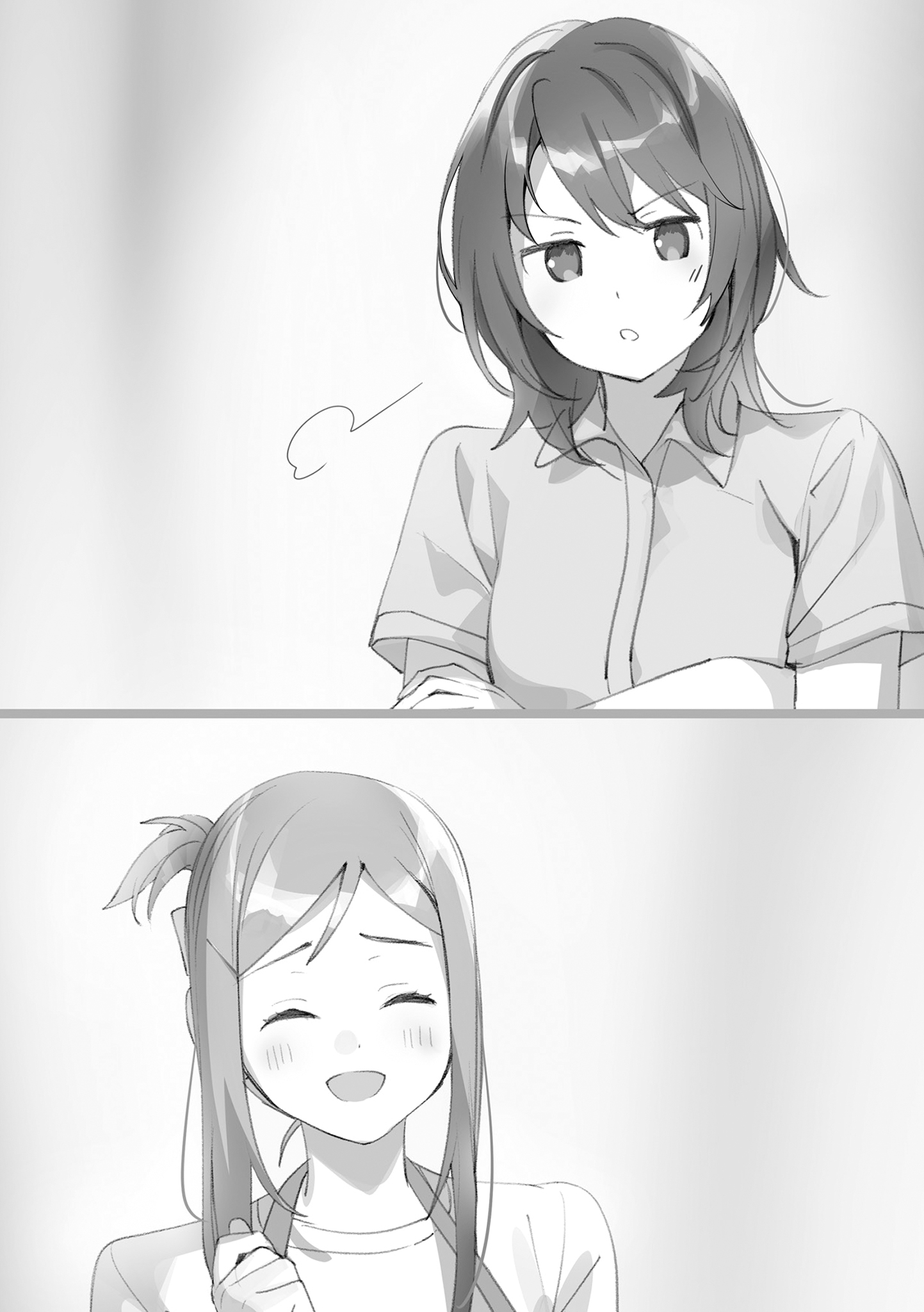
Now, one of the most common misunderstandings involves Adachi’s jealousy. She becomes jealous very easily, but the feeling itself is completely neutral, neither healthy nor unhealthy. What matters is whether she manages it herself or uses it to make Shimamura obey her. During the first days of dating, she does cross that line once. In A Moment’s Respite (ひとときでいい安らぎに) from V7C2, she pulls Shimamura away from Hino and Nagafuji and treats their ordinary conversation as something close to cheating. However, soon after in Imperfect Words (ありふれた言葉を並べて) from V7C3, Adachi remembers Shimamura’s frozen smile, understands that she went too far, and begins holding herself back. She recognises the mistake and changes her behaviour quickly.
Indeed, what happens after that early mistake is far more important than the fact that Adachi remains capable of feeling jealous. From that point onward, she keeps her jealousy on a leash. She may still pout, complain, or make a small request, but she does not let the feeling take over her behaviour or turn into anything serious or controlling. This can be seen in the chapter The Sakura’s Ark (桜の箱舟) from V10C4, where Shimamura says that she will meet Tarumi alone. Adachi asks to come, but when Shimamura refuses, she accepts the answer, stays behind, and neither follows Shimamura nor tries to stop the meeting. Shimamura freely meets Tarumi, who has romantic feelings for her, and decides for herself what their old friendship means.
Another scene that really allows us to understand what is going through her mind in such situations is in the short story Talent Versus Cowardice (天稟ありしすくたれ者) from SS2, where we see Adachi controlling the same feeling in her own thoughts. When Shimamura compares holding Adachi’s hand to holding her younger sister’s, Adachi becomes intensely jealous but recognises that Shimamura’s sister has a rightful place, and that there are lines she shouldn't cross. She only pouts and never asks Shimamura to change that family bond or anything like that. Adachi feels the jealousy without using it to decide whom Shimamura may love or spend time with. Because she manages the feeling herself instead of repeatedly making Shimamura obey it, their relationship shows healthy interdependence rather than codependency.
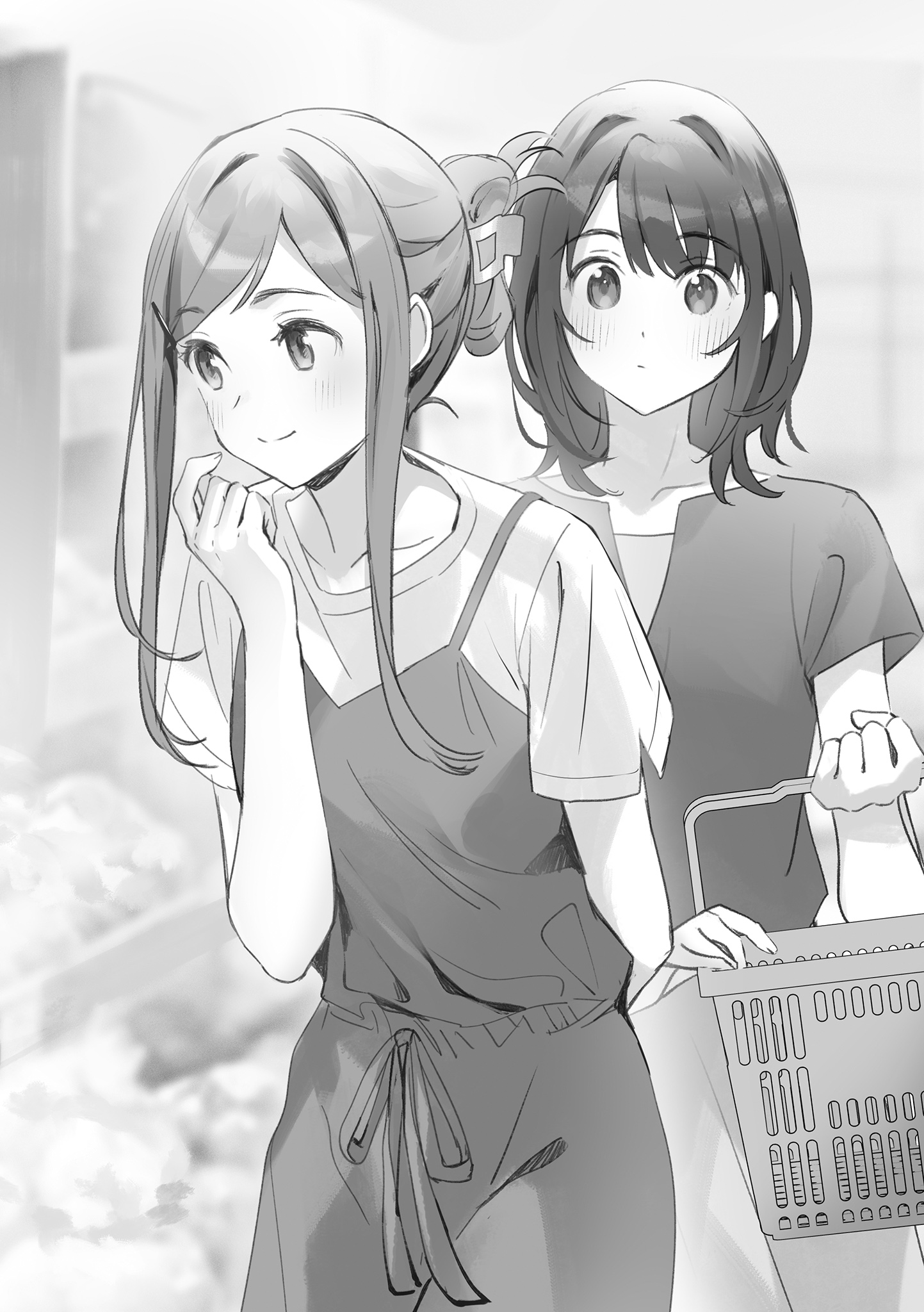
This brings us to the imbalance in their everyday decisions. Shimamura makes more of them because Adachi has fewer everyday preferences. At first glance, that can look like Adachi has surrendered her will. However, she leaves choices she genuinely does not care about to Shimamura, not because she is afraid to express a preference. When something matters, she states what she wants, makes plans, and acts for herself.
The difference can be seen clearly in the chapter Chito (知途) from V99.9C1. Adult Shimamura explains that Adachi has little interest in meals. Even after thinking about the question, she normally says that anything is fine and likes nearly everything Shimamura cooks. When Shimamura chooses their meals, she is not overriding a hidden preference.
The same chapter shows Shimamura handling more important decisions differently. She believes Adachi would accept almost any household choice, so she deliberately includes her in discussions about their home, work arrangements, and shared future. Adachi says that she prefers a separate workplace because she would struggle to concentrate beside Shimamura, and she later takes the initiative in planning another trip. Shimamura makes more choices overall, but she does not simply decide everything without asking. When a decision matters to Adachi, Shimamura asks what she wants, and Adachi answers or acts for herself. One of them making more everyday choices does not make the relationship codependent when the other can still speak, refuse, and take initiative. It remains healthy interdependence.
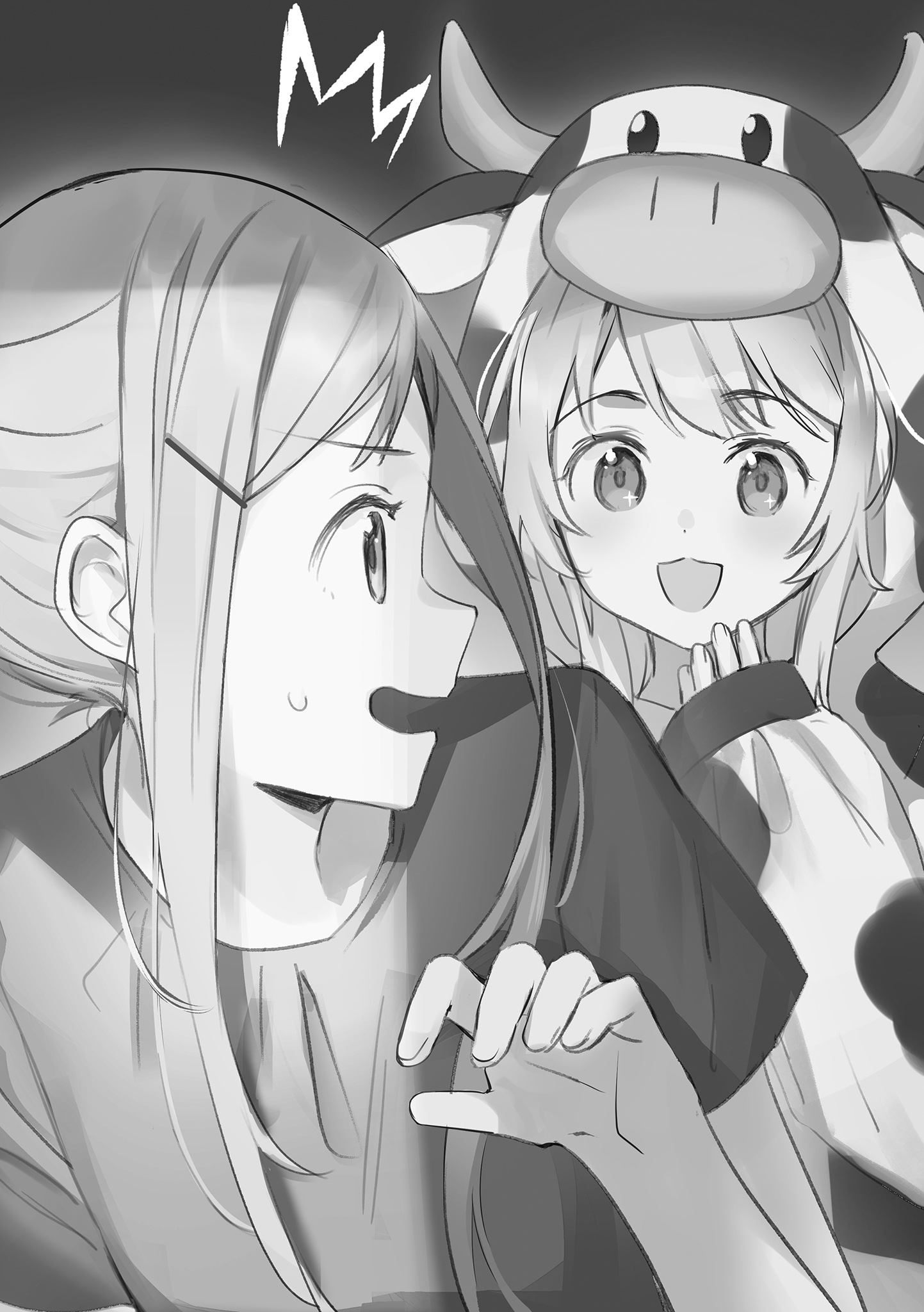
Another possible misunderstanding comes from the way Adachi and Shimamura talk about a two-person country or a world containing only them. Part of Adachi probably does genuinely wish that she could live in a world with only Shimamura. That wish is not good or bad by itself, and comes from how deeply she loves Shimamura and how little Adachi wants from most other relationships. What matters is her actions, and she does understand that complete isolation would be bad in practice, and does not try to make Shimamura withdraw from everyone else.
This can be seen in The Sakura’s Ark (桜の箱舟) from V10C4. Shimamura tells Adachi that they cannot live as though nobody else exists and that her mind cannot simply become Adachi’s possession. Adachi listens, says that she trusts her, and later stays behind while Shimamura meets Tarumi alone. The same understanding appears in adulthood. In Chito (知途) from V99.9C1, Adachi chooses to work somewhere else because she knows that she would struggle to concentrate beside Shimamura. Even though she wants as much time with Shimamura as possible, she accepts separation when it is better for their daily lives.
Their relationship also leaves room for family. In the short story Mother 2 (Mother2) from SS2, adult Shimamura invites Adachi on a multi-day visit to her family home. Adachi finds the noisy environment difficult but agrees to come, spends time with Yashiro and both mothers, and stops her own mother before she leaves to thank her for the elephant plush. Shimamura gives Adachi an opportunity to speak with her mother again, and Adachi accepts it.
Adachi remains quiet and selective, but a healthy relationship does not require her to become highly social. What matters is that her private wish does not make Shimamura give up her family, Yashiro, Tarumi, work, or time apart. Since their closeness does not cut either of them off from other people or their responsibilities, it shows healthy interdependence rather than codependency.

There is also a difference between giving someone more reassurance and having to carry that person through life. Shimamura understands social situations more easily than Adachi does, but that does not make her Adachi’s parent. Their relationship would be unhealthy if Shimamura had to give up her work, family, choices, or rest, or if she had to take over responsibilities that Adachi could never handle herself. As we know, that is not what happens. Shimamura freely chooses their life together, while Adachi works, plans, contributes to their home, and cares for her in return.
In fact, the novel even addresses this directly. In What Came Next (そして……), the final chapter of SS, Adachi’s mother, Atsuka, asks Shimamura to take care of Sakura. Shimamura returns specifically to reject that description. She says that she will live with Adachi because she wants to, not because she is doing it to take care of her.
The two of them also care for each other in clear and direct ways. In The Moon Cradle (月の揺り籠) from V10C6, Shimamura invites Adachi to rest on her lap and says that Adachi can do the same for her the following day. V99.9C1 also shows Adachi volunteering to cook for the two of them. Shimamura may reassure Adachi more often, but she is not the only one giving while Adachi only receives. They each help, comfort, and do things for the other because they want to. That is healthy interdependence, not codependency.

Finally, we should ask whether this dependence holds either of them back from growing. If it were unhealthy, we would expect it to discourage them from developing new interests, making independent choices, or becoming more capable. However, their relationship does the opposite by helping both of them develop new interests, make their own choices, and become more capable.
This can first be seen in the chapter Chito (知途) from V99.9C1, where adult Shimamura decides that she wants to discover or create more things Adachi can enjoy. In the final story Overture (Overture) from SS2, Adachi begins taking that interest herself. When Shimamura asks her to compare two breads because she wants to understand her tastes, Adachi thinks seriously instead of automatically saying that either is fine. She then decides to take an interest in more things because Shimamura wants to know her better. Importantly, their relationship was already very healthy. This is a positive change for Adachi herself, made possible as a result of their relationship.
That also begs the question: what would happen if Adachi ever lost Shimamura? Because so much of Adachi’s joy and meaning is concentrated in one person, losing her would almost certainly be devastating, perhaps more severely than it would be for someone with several strong interests and close relationships. However, being deeply wounded by the loss of someone you love is universal to deep relationships and does not at all mean that the relationship was codependent. While the novel never places Adachi in that situation, she is mentally very strong, and her persistence gives us good reason to believe that she would recover and follow through on her decision to develop interests of her own, even if it took a long while.
Shimamura grows through the relationship as well. This can be seen in the chapter Summer 18 (Summer18) from V11C6, where she has chosen a university direction and started studying seriously. When Adachi asks to visit, the thought of seeing her makes Shimamura sit up instead of drifting to sleep, and she reflects that meeting Adachi gave her motivation. Once again, Adachi gives her a reason to care and the strength to act, but Shimamura chooses the direction and does the work herself. The two of them help each other grow without taking over the choices or effort that growth requires, which is healthy interdependence rather than codependency.

Ultimately, after looking at their relationship as a whole, it becomes clear that their relationship is one of very healthy interdependence, perhaps with unusual levels of depth. Adachi and Shimamura depend on each other enormously, but the amount of dependence does not decide whether a relationship is codependent. We have to look at what that dependence does to their lives and how it leads them to treat each other. From the fireworks confession onward, it does not repeatedly take away either person's freedom, cut them off from the rest of life, or leave one of them responsible for keeping the other able to function. Their relationship therefore does not have any of the continuing harm that codependency requires.
This remains true even when we acknowledge their differences and early mistakes. Adachi crosses a line with jealousy once during the first days of dating, recognises it, and changes how she behaves. She later accepts Shimamura's refusals, her relationships with other people, and the time they need to spend apart. Shimamura makes more everyday choices and gives more reassurance, but Adachi continues to work, make plans, state what matters to her, and care for Shimamura in return. Their roles are different, but neither of them has to obey the other or give up the ability to manage her own life.
Instead, their dependence adds joy, purpose, and motivation to both their lives. It helps them work towards a shared future, study, travel, discover new interests, comfort each other, and build a home together while still leaving each of them able to think, refuse, choose, and act for herself. Their extraordinary dependence should not be mistaken for a milder form of codependency. Codependency is unhealthy by definition, and the continuing harmful pattern required for it is not present. Adachi and Shimamura have a very healthy interdependent relationship in which they love each other unusually deeply, rely on each other freely, and keep choosing their life together.